
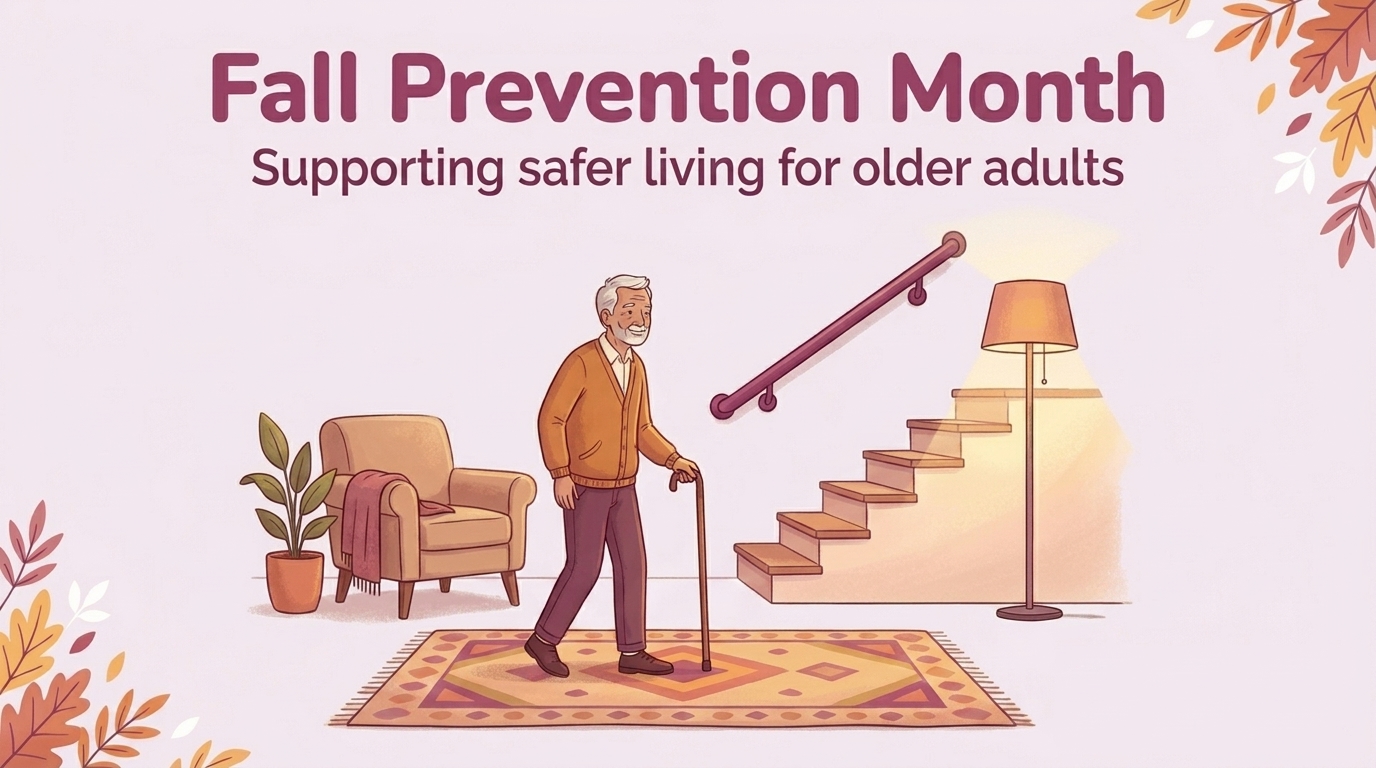
Fall Prevention Awareness Month: Protecting Older Adults Through Safety and Estate Planning
Every September, Fall Prevention Awareness Month shines a spotlight on one of the most significant yet preventable health risks facing older adults. While many people associate falls with nothing more than a minor accident or an unfortunate part of getting older, the reality is far more serious. A single fall can dramatically change the course of a person's life, affecting not only their physical health, but also their independence, finances, legal affairs, and overall quality of life. As an Elder Law Attorney serving Suffolk County, Nassau County, Queens, Brooklyn, the Bronx, Westchester County, and families throughout New York, I frequently help individuals navigate the legal and financial challenges that arise after a serious injury or unexpected medical event. One of the best ways to protect yourself and your loved ones is through proactive estate planning, long-term care planning, and fall prevention for seniors before a crisis occurs.
Understanding Why Falls Are Such a Serious Concern
Growing older should never mean giving up independence. Today's older adults are living longer, remaining active well into retirement, traveling, volunteering, caring for grandchildren, and enjoying fulfilling lifestyles. However, aging naturally brings changes that can increase the risk of falling. Vision may decline, balance may become less stable, muscles may weaken, medications may cause dizziness, and chronic medical conditions can affect coordination.
These changes do not mean that falls are inevitable, but they do mean that preventing falls in older adults becomes increasingly important. By taking proactive steps to improve safety and planning ahead legally and financially, seniors can often continue aging in place while maintaining their independence and quality of life.
When a Fall Becomes a Legal Matter
Many people are surprised to learn that a fall often creates legal issues almost immediately.
Imagine that an elderly parent suffers a serious fall and is admitted to the hospital. Physicians determine that rehabilitation will be necessary, followed by home health services or perhaps admission to a skilled nursing facility. During this stressful time, bills still need to be paid, insurance companies require documentation, banks may need authorization to discuss financial accounts, and healthcare providers require someone with legal authority to make important medical decisions.
This is where an experienced elder care attorney or estate planning attorney becomes invaluable. If proper legal documents have not already been executed, family members frequently discover they cannot simply step in because they are a spouse or adult child. Financial institutions may refuse to discuss accounts, medical providers may have limitations on what information they can disclose, and important financial decisions may be delayed.
Why Advance Directives Matter Before a Crisis Occurs
One of the greatest gifts an individual can give their family is a comprehensive estate plan that addresses incapacity—not just what happens after death.
Comprehensive estate planning for seniors includes much more than a Last Will and Testament. Proper planning often includes a Power of Attorney, Health Care Proxy, Living Will, and, depending on the individual's goals, one or more trusts designed for asset protection and future care planning.
A Durable Power of Attorney allows a trusted individual to manage financial matters if someone becomes unable to do so independently. Likewise, a Health Care Proxy authorizes a trusted person to communicate with physicians and make healthcare decisions if necessary. Together, these documents can eliminate unnecessary delays during medical emergencies while ensuring your wishes are carried out.
Without these documents, loved ones may need to petition the court for a guardianship, a process that can be both expensive and emotionally difficult.
The Financial Impact of a Serious Fall
Many families focus first on physical recovery following a fall, but the financial consequences can be equally overwhelming.
Extended rehabilitation, private caregivers, home modifications, assisted living, or skilled nursing care can quickly become financially burdensome. While Medicare may cover certain rehabilitation services under qualifying circumstances, it generally does not cover long-term custodial care.
As a Medicaid Planning Attorney, I frequently help families understand the differences between Home Care Medicaid and Nursing Home Medicaid, two programs that may provide assistance depending on an individual's circumstances. Early long-term care planning often creates opportunities to preserve assets while preparing for future healthcare needs. Waiting until a crisis occurs can significantly limit the planning options available.
Independence Is Worth Protecting
One of the greatest misconceptions surrounding aging is that asking for help means giving up independence.
In reality, thoughtful estate planning, asset protection, and long-term care planning often help individuals remain independent much longer. Installing grab bars, updating legal documents, reviewing beneficiary designations, or creating a trust does not mean expecting the worst—it means taking control of your future.
Planning ahead allows families to focus on recovery instead of scrambling to address legal or financial issues during an emergency.
How an Elder Law Attorney Can Help
Working with an experienced Elder Law Attorney in New York allows families to prepare for life's unexpected challenges before they become crises.
At Klersy Law, P.C., we assist individuals and families throughout Suffolk County, Nassau County, Queens, Brooklyn, the Bronx, Westchester County, and across New York with comprehensive estate planning, Medicaid planning, trust planning, asset protection, guardianship, Power of Attorney documents, Health Care Proxies, and long-term care planning.
Every family's circumstances are unique. A personalized legal plan can help protect your assets, preserve your independence, and ensure your loved ones have the authority they need if an unexpected illness or fall occurs.
At Klersy Law, P.C., we believe that protecting your future involves more than preparing legal documents—it means creating a comprehensive plan that supports your health, finances, and family through every stage of life.
Whether you need assistance with estate planning, Medicaid planning, Home Care Medicaid, Nursing Home Medicaid, asset protection, or long-term care planning, our firm is here to help.
If you are looking for an experienced Elder Law Attorney serving Suffolk County, Nassau County, Queens, Brooklyn, the Bronx, Westchester County, or anywhere in New York, contact Klersy Law, P.C. today to schedule a consultation. Taking proactive steps today can help protect your independence, preserve your assets, and provide peace of mind for you and your loved ones tomorrow.
Frequently Asked Questions
Can estate planning help after a senior experiences a fall?
Yes. Documents such as a Durable Power of Attorney and Health Care Proxy allow trusted individuals to assist with financial and medical decisions if the injured person cannot make decisions independently.
Does Medicare pay for long-term nursing home care after a fall?
Medicare generally provides limited coverage for skilled nursing or rehabilitation under certain circumstances. It does not typically cover long-term custodial nursing home care, making advance planning important.
When should someone begin Medicaid planning?
The best time is before long-term care becomes immediately necessary. Early planning often provides more options for protecting assets and qualifying for benefits when appropriate.
How often should estate planning documents be reviewed?
Estate planning documents should generally be reviewed every three to five years or after major life events such as illness, marriage, divorce, the birth of grandchildren, or significant financial changes.